Snoring in Side Position: Understand Causes & Effective Solutions
Many people who suffer from snoring are often advised to sleep on their side, a common recommendation based on the understanding that back sleeping can exacerbate airway obstruction. It's a frustrating surprise, then, to discover that even while diligently maintaining a side sleeping posture, the disruptive sounds persist. This phenomenon, known technically as rhonchopathy, can range from a gentle vibration to loud, rattling noises. For some, it's an occasional nuisance, perhaps only when battling a cold. But for a significant number, the challenge of
Schnarchen Trotz Seitenlage – snoring despite sleeping on your side – is a nightly reality, impacting not only their own sleep quality but also that of their partners.
The misconception is that side sleeping is a universal cure. While it often helps, the root causes of snoring are more complex than just gravity pulling the tongue backward when supine. Snoring primarily arises from a narrowing of the airways during sleep, causing tissues in the throat to vibrate as air passes through. This narrowing can occur regardless of your sleeping position, meaning side sleepers are not immune to these underlying issues.
The Paradox of Side-Sleeping Snoring: What's Happening?
You've made the conscious effort to roll over, perhaps even invested in a special pillow, only to find yourself or your partner still emitting those familiar nightly rumbles. So, what exactly is going on when snoring persists, even when you're sleeping on your side? The key lies in understanding that rhonchopathy isn't a disease in itself, but rather a symptom of compromised airflow.
Even in a side-lying position, gravity still plays a role, albeit a different one. The base of the tongue can still relax and sink backward, partially obstructing the airway. Furthermore, many individuals who snore on their side tend to do so with their mouth closed, indicating that the obstruction is occurring deeper in the throat or nasal passages rather than just from mouth breathing. The core issue remains a constriction of the pharyngeal space and upper airways, which can be influenced by a myriad of factors irrespective of whether you're on your back or your side. This makes addressing
Schnarchen Trotz Seitenlage a nuanced challenge, requiring a deeper look into individual physiology and habits.
Unmasking the Causes: Why You Still Snore on Your Side
Understanding the specific reasons behind your persistent snoring is the first step towards finding effective solutions. The causes of
Schnarchen Trotz Seitenlage can be broadly categorized into anatomical factors and lifestyle influences, often working in combination.
Anatomical Factors Beyond Your Control
Certain physical characteristics within your throat and nasal passages can predispose you to snoring, even in the "optimal" side position. These structural elements can create a consistent narrowing that no sleeping posture can entirely overcome:
- Elongated Uvula or Large Tongue: An unusually long uvula (the fleshy projection hanging at the back of your throat) or a larger-than-average tongue can easily fall back and obstruct the airway during sleep, regardless of head position.
- Enlarged Tonsils or Adenoids: These lymphatic tissues, particularly common in children but also present in adults, can swell and reduce the space for air to pass.
- Deviated Nasal Septum: A crooked wall between your nostrils can block one side of your nasal passage, forcing mouth breathing and increasing the likelihood of throat vibrations.
- Jaw Misalignments (e.g., Overbite): Certain dental or jaw structures, like a severe overbite or a recessed jaw, can narrow the airway at the back of the mouth.
- Weak Pharyngeal Muscles: Over time, the muscles in the throat can lose tone, becoming more prone to collapsing and vibrating during sleep.
Lifestyle & Environmental Triggers
Beyond inherent anatomy, daily habits and external factors significantly impact the likelihood and intensity of snoring, even for side sleepers. These are often within your power to change, offering significant potential for improvement:
- Obesity: Excess fatty tissue around the neck and throat can physically compress the airways, making them narrower and more prone to vibrating. This is a major contributor to Schnarchen Trotz Seitenlage.
- Alcohol Consumption: Alcohol acts as a muscle relaxant, causing the throat muscles to become excessively slack during sleep, increasing the chances of airway collapse.
- Smoking: Tobacco smoke irritates and inflames the lining of the airways, leading to swelling and congestion, which narrows the passages. Chronic smoking also weakens throat tissues over time.
- Sedatives and Sleeping Pills: Similar to alcohol, these medications promote deeper muscle relaxation, increasing the risk of airway obstruction and snoring.
- Allergies: Seasonal or perennial allergies can cause nasal congestion and swelling of the mucous membranes in the throat, significantly impeding airflow.
- Dehydration: A dry throat can cause tissues to stick together more easily, increasing friction and vibration.
As you can see, understanding these diverse contributors is crucial for developing an effective strategy against snoring. For more in-depth insights into why side sleepers still snore and what to do about it, you might find our related article,
Still Snoring on Your Side? Unraveling the True Causes & Fixes, particularly helpful.
Effective Strategies to Combat Snoring in Side Position
While the causes of
Schnarchen Trotz Seitenlage can be complex, there's a wide array of strategies you can employ to mitigate or even eliminate this disruptive issue. A multi-faceted approach, combining positional adjustments, supportive devices, and lifestyle modifications, often yields the best results.
Optimizing Your Sleep Posture & Environment
Even as a dedicated side sleeper, there's room to refine your sleeping position and surroundings to maximize airflow:
- Elevate Your Head Slightly: A higher pillow or a wedge pillow can help keep your head and neck aligned, preventing the tongue base from sinking too far back. Ensure the pillow supports the natural curve of your neck without tilting your head forward excessively.
- Maintain a Stable Side Position: Placing a pillow between your knees can help stabilize your body, preventing you from inadvertently rolling onto your back during the night.
- Vary Your Side: Don't always sleep on the same side. Switching sides can help prevent pressure points and ensure overall comfort.
- Prevent Back-Rolling: For those who still find themselves rolling onto their back, a simple trick is to sew a tennis ball into the back of your pajama top. This creates an uncomfortable nudge that encourages you to stay on your side.
Innovative Devices & Therapies
Beyond positional changes, several tools and exercises can directly address airway obstruction and muscle weakness:
- Nasal Dilators or Strips: These devices physically open the nasal passages, improving airflow through the nose and reducing the likelihood of mouth breathing and subsequent throat vibrations.
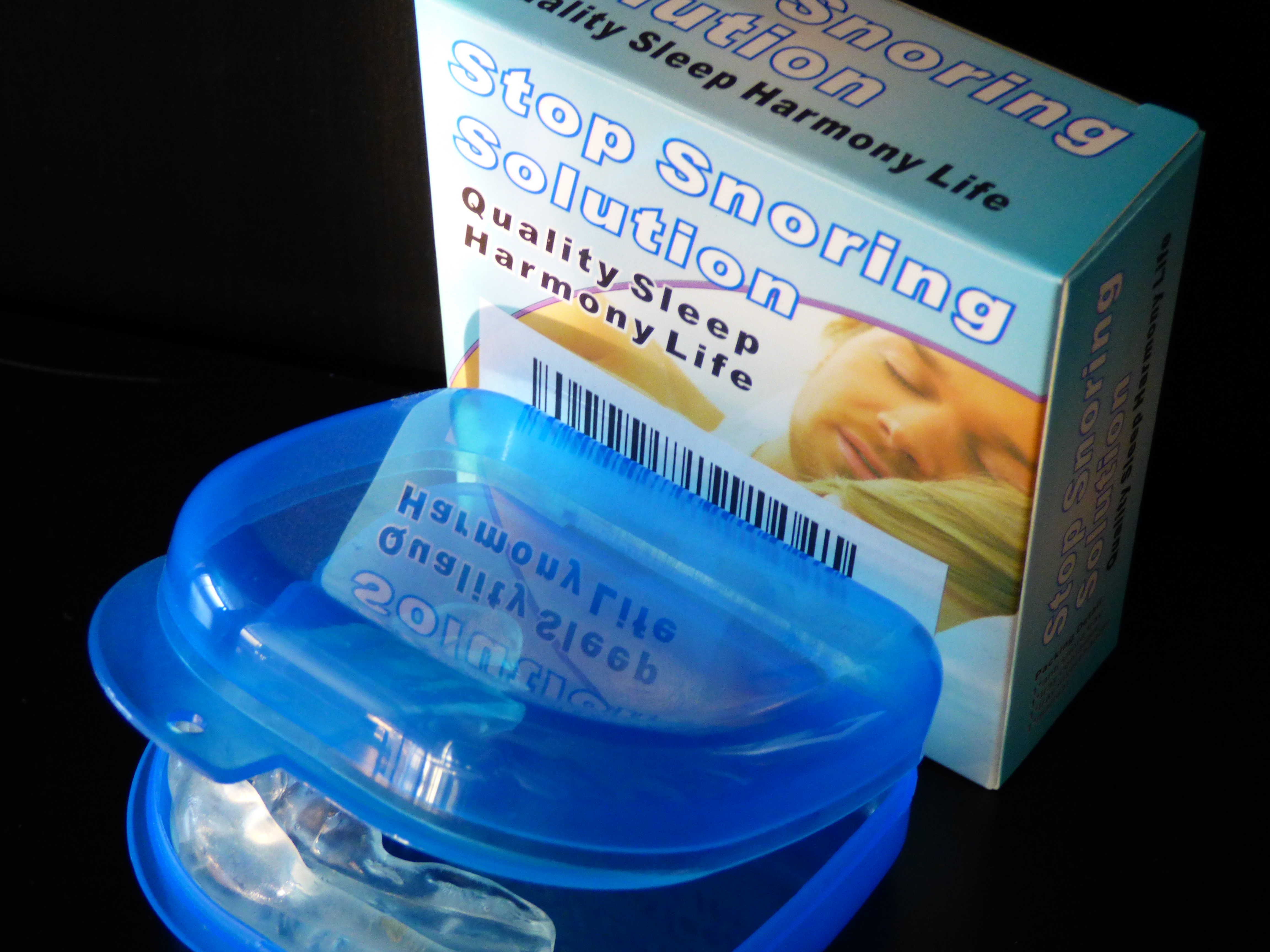
- Anti-Snoring Splints (Mandibular Advancement Devices): Worn in the mouth, these custom-fitted devices gently push the lower jaw and tongue forward, effectively opening the airway at the back of the throat.
- Throat Muscle Strengthening Exercises: Strengthening the muscles in your throat can significantly reduce their tendency to relax and collapse during sleep. Activities like playing a wind instrument (e.g., a didgeridoo), specific tongue exercises, or specialized breathing techniques can be highly effective. Recent research, including a notable 2024 study, has shown that targeted pharyngeal muscle training can reduce snoring by up to 50% even in side sleepers. For a detailed look at this groundbreaking research and practical exercises, check out our article: Study Reveals: Reduce Side Sleeper Snoring by Up To 50%.
Lifestyle Adjustments for Quieter Nights
Addressing underlying lifestyle factors can have a profound impact on reducing snoring frequency and intensity:
- Weight Management: If you are overweight or obese, even a moderate reduction in weight can significantly decrease fat deposits around the throat, leading to wider airways.
- Reduce Alcohol and Sedative Intake: Avoid alcohol and sedatives, especially in the hours leading up to bedtime, to prevent excessive muscle relaxation.
- Quit Smoking: Eliminating smoking will reduce irritation and inflammation in the airways, allowing them to remain clearer.
- Manage Allergies: If allergies are a trigger, work with your doctor to manage symptoms effectively with antihistamines, nasal sprays, or immunotherapy. Keeping your bedroom free of dust mites and pet dander can also help.
- Stay Hydrated: Drinking enough water throughout the day keeps throat tissues moist, potentially reducing friction and vibration.
When to Seek Professional Help: Beyond Self-Help
While many cases of
Schnarchen Trotz Seitenlage can be improved with self-help strategies, it's crucial to recognize when professional medical advice is necessary. Snoring, especially if it's loud, frequent, and accompanied by other symptoms, can be a sign of a more serious condition: sleep apnea.
Sleep apnea is a disorder where breathing repeatedly stops and starts during sleep. While side sleeping is often recommended for individuals with sleep apnea as it can help maintain an open airway more easily than back sleeping, it doesn't always fully resolve the issue. If you experience any of the following, it's highly advisable to consult a doctor or a sleep specialist:
- Loud, persistent snoring that disrupts your or your partner's sleep.
- Witnessed pauses in breathing during sleep.
- Gasping or choking sounds during sleep.
- Excessive daytime sleepiness, even after a full night's rest.
- Morning headaches, difficulty concentrating, or irritability.
- High blood pressure.
A sleep study can accurately diagnose sleep apnea and guide you toward appropriate treatments, which might range from Continuous Positive Airway Pressure (CPAP) therapy to advanced oral appliances or even surgical interventions. Addressing snoring isn't just about peace and quiet; it's about safeguarding your overall health and well-being.
Conclusion
Living with
Schnarchen Trotz Seitenlage can be disheartening, especially when you've diligently tried the most common recommendation to sleep on your side. However, by understanding the deeper anatomical and lifestyle factors contributing to airway narrowing, you empower yourself with a range of effective solutions. From optimizing your sleep posture with the right pillows and stability measures, to leveraging innovative devices like nasal dilators and anti-snoring splints, to committing to lifestyle changes such as weight management and muscle-strengthening exercises, a quieter night is within reach. Remember, the impact of snoring extends beyond just sound; it affects sleep quality, energy levels, and even relationships – with a 2024 Pronova BKK sleep study revealing that 33% of Germans would sleep better without their partner, often due to snoring. Don't let persistent snoring disrupt your life; explore these strategies, and if necessary, consult a healthcare professional to ensure your journey to silent, restful sleep is a successful one.