Still Snoring on Your Side? Unraveling the True Causes & Fixes
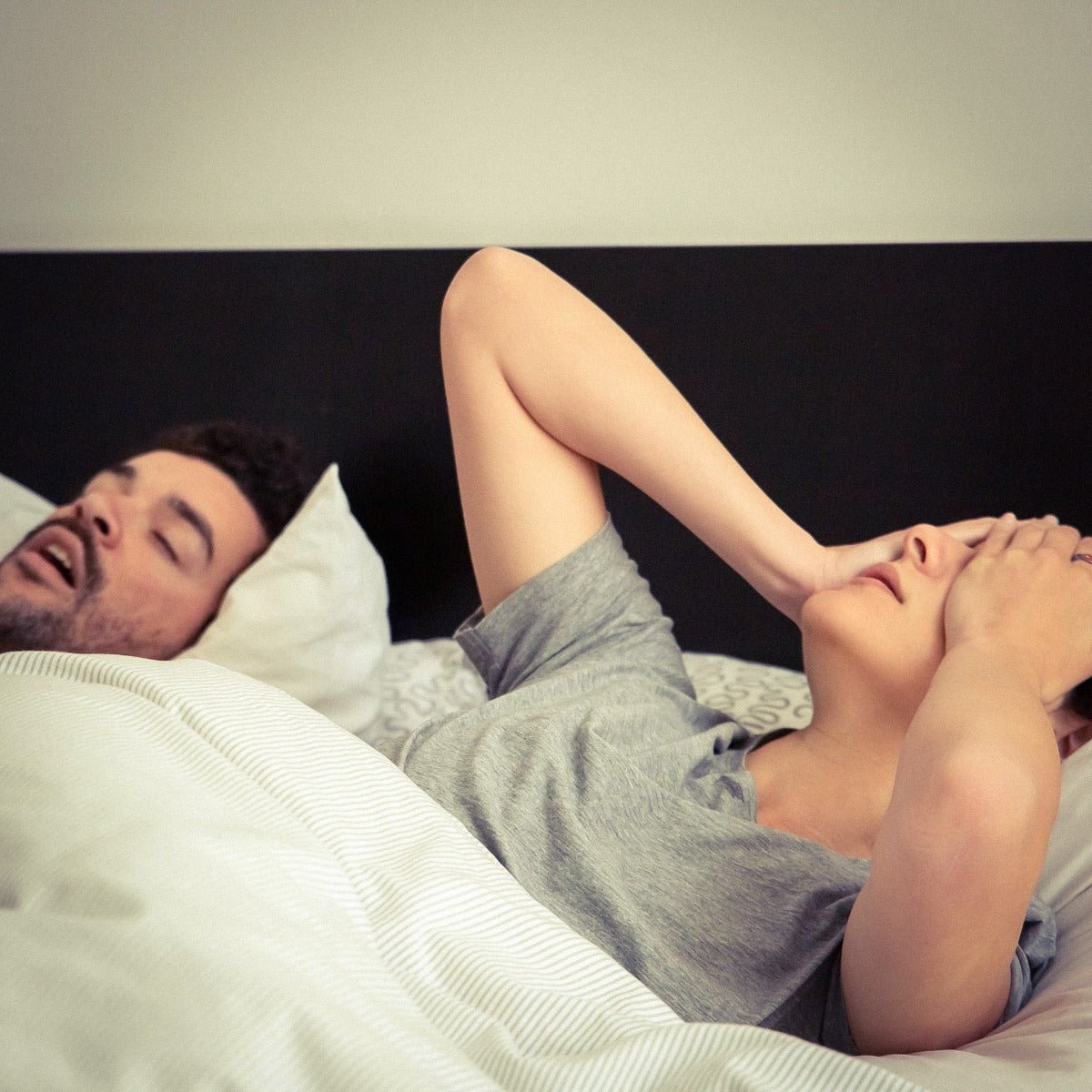
Snoring is a common nocturnal symphony for millions, ranging from a gentle hum to a disruptive cacophony. For many, the first line of defense is simply rolling onto their side, believing this simple positional shift will silence the noise. After all, back sleeping is widely known to exacerbate snoring. Yet, for a significant number of individuals, the persistent rumble continues even in the side position – a phenomenon often referred to as "Schnarchen Trotz Seitenlage" (snoring despite side sleeping). If you're one of these frustrated sleepers or their equally frustrated partner, you’re not alone. This article delves into why snoring persists even when you’re on your side and offers actionable solutions to finally achieve a quieter, more restorative night's sleep.
Why Does Snoring Persist Even on Your Side? More Than Just Position
The scientific term for snoring is Rhonchopathy, and it's not a disease in itself but rather a symptom arising from a narrowing of the airways during sleep. When air passes through these constricted passages, it causes the soft tissues in the throat to vibrate, producing that familiar sound. While back sleeping undeniably contributes by allowing the tongue and soft palate to fall back and obstruct the airway more easily due to gravity, the truth is that other factors can cause this narrowing regardless of your sleep posture.
Even when you're sleeping on your side, certain anatomical features and lifestyle choices can still cause the base of your tongue to relax and sink, or other throat tissues to become less stable. This can lead to persistent snoring, often with a closed mouth, indicating that the obstruction is deep within the throat or nasal passages rather than just a positional issue. Understanding these underlying causes is the first step towards finding effective relief.
Unpacking the Causes: Beyond Simple Position
The complexity of snoring in the side position lies in the interplay of several factors. It's rarely just one culprit but often a combination that creates the perfect storm for noisy nights.
Anatomical Roadblocks
Some people are simply predisposed to snoring due to their unique physical structure. These anatomical variations can narrow the airways and contribute to snoring even when sleeping in the side position:
*
Enlarged Uvula or Large Tongue: An unusually long uvula (the fleshy teardrop at the back of your throat) or a naturally larger tongue can more easily fall back and obstruct the airway.
*
Enlarged Tonsils or Adenoids (Polypen): Swollen tonsils or adenoids, particularly common in children but also affecting adults, can reduce the space for air to flow freely.
*
Deviated Nasal Septum: A crooked nasal septum can block one or both nostrils, forcing mouth breathing and increasing the likelihood of vibrations in the throat.
*
Jaw Misalignment (e.g., Overbite): Certain jaw structures, such as a significant overbite, can position the tongue further back in the mouth, narrowing the throat space.
*
Weak Pharyngeal Muscles: The muscles supporting the soft palate and throat can lose their tone with age or due to other factors, making them more prone to collapse during sleep.
Lifestyle Factors & Risk Amplifiers
Your daily habits and overall health significantly impact the firmness of your throat tissues and the patency of your airways. These lifestyle factors can exacerbate snoring, even in individuals who typically find relief from side sleeping:
*
Obesity: Excess weight, particularly around the neck, leads to fat deposits in the throat area, which physically constrict the airways and reduce the space for air to pass.
*
Alcohol Consumption: Alcohol acts as a muscle relaxant, particularly affecting the muscles in the throat. This increased relaxation makes the tissues more prone to collapse and vibration.
*
Smoking: Smoking irritates and inflames the delicate lining of the airways, leading to swelling and increased mucus production, both of which narrow the air passages. Over time, it also weakens the respiratory muscles.
*
Sedatives or Sleeping Pills: Like alcohol, these medications can significantly relax the muscles in the upper airways, intensifying the likelihood of obstruction.
*
Allergies or Congestion: Chronic nasal congestion from allergies, colds, or sinus issues can cause mucous membranes to swell, blocking nasal breathing and forcing mouth breathing, which often leads to snoring.
Practical Solutions: From Positional Tweaks to Targeted Therapies
Addressing snoring that persists despite side sleeping requires a multifaceted approach. It involves optimizing your sleep environment, adopting healthier habits, and potentially exploring specific aids or therapies. You can find more comprehensive information on these strategies in our related article:
Snoring in Side Position: Understand Causes & Effective Solutions.
Optimizing Your Side Sleeping Posture
Even for seasoned side sleepers, subtle adjustments can make a difference:
*
Elevate Your Head Slightly: Use a higher pillow or a wedge pillow to gently elevate your head. This can help keep your airways more open by preventing the tongue and soft palate from falling back.
*
Ensure Stable Side Position: Place a pillow between your knees for better spinal alignment and stability. This prevents you from inadvertently rolling onto your back during the night.
*
Vary Your Sleeping Side: Try not to always sleep on the same side. Switching sides can prevent pressure points and allow both sides of your nasal passages to remain clear.
*
Prevent Back Rolling: For those who still tend to roll onto their back, behavioral techniques like sewing a tennis ball into the back of your pajama top can provide a gentle, uncomfortable reminder to stay on your side.
Innovative Aids & Muscle Strengthening
Beyond positional adjustments, several products and exercises can actively reduce snoring:
*
Nasal Dilators and Strips: These devices, applied externally or inserted into the nostrils, physically open the nasal passages, improving airflow and reducing the need for mouth breathing.
*
Oral Appliances (Snore Guards): Custom-fitted by a dentist, these devices gently advance the lower jaw and/or tongue forward, preventing them from obstructing the airway.
*
Targeted Pharyngeal Muscle Exercises: Strengthening the muscles in your throat, tongue, and soft palate can significantly reduce their tendency to collapse. Activities like playing a wind instrument (e.g., a didgeridoo) or specific tongue and throat exercises are remarkably effective. Recent research from 2024 highlights that dedicated training of the pharyngeal muscles can reduce snoring by up to 50%, even for side sleepers. This includes specific tongue movements and vocal exercises. For more details on this scientific breakthrough, read:
Study Reveals: Reduce Side Sleeper Snoring by Up To 50%.
When to Seek Professional Help
While many snoring issues can be managed with lifestyle changes and home remedies, it's crucial to recognize when professional intervention is necessary. Persistent, loud snoring, especially if accompanied by gasping, choking, or pauses in breathing during sleep, could be a sign of Obstructive Sleep Apnea (OSA). OSA is a serious condition where breathing repeatedly stops and starts, leading to fragmented sleep and potentially severe health consequences. If you suspect sleep apnea, consulting a doctor or sleep specialist is paramount. They can perform a sleep study (polysomnography) to diagnose the condition and recommend appropriate treatments, which might include CPAP therapy, oral appliances, or even surgery.
The Latest Science: Hope for Side Sleepers
The field of sleep medicine is constantly evolving, bringing new hope to those struggling with snoring, including the "Schnarchen Trotz Seitenlage" phenomenon. The aforementioned 2024 studies underscore the power of targeted muscle training. This research confirms that strengthening the often-overlooked pharyngeal muscles can provide a long-term, non-invasive solution, offering significant relief even for those who traditionally found their side-sleeping efforts futile. This highlights a shift towards more active, participant-driven treatments for snoring.
The impact of snoring extends beyond the individual, significantly affecting sleep partners. A 2024 Pronova BKK sleep study revealed that 33% of Germans would sleep better without their partner – a stark statistic underlining the relationship strain snoring can cause. Addressing your snoring isn't just about your health; it's about the well-being of your household.
Conclusion
Snoring, even in the seemingly safe side position, is a common and often disruptive problem, but it’s far from insurmountable. By understanding that "Schnarchen Trotz Seitenlage" stems from a combination of anatomical factors and lifestyle choices that narrow the airways, you can take targeted steps towards a solution. From optimizing your sleep posture and embracing nasal aids to exploring innovative muscle-strengthening exercises and knowing when to seek professional help for conditions like sleep apnea, a quieter night is within reach. Take action today to unravel the true causes of your snoring and pave the way for restful, revitalizing sleep – for both yourself and your loved ones.